Most of what fills a home is safe to box up and load onto a truck without a second thought. A handful of items need to be handled differently, either because they are unsafe to transport, because they will not survive the trip, or because they just should not leave your side.
Knowing what falls into that category before packing day saves you from a problem showing up after the truck has already left. Working with a reliable moving company in Pittsburgh, PA, means you will have someone to walk you through all of this before it becomes an issue.
Hazardous Materials That Should Never Go in a Box
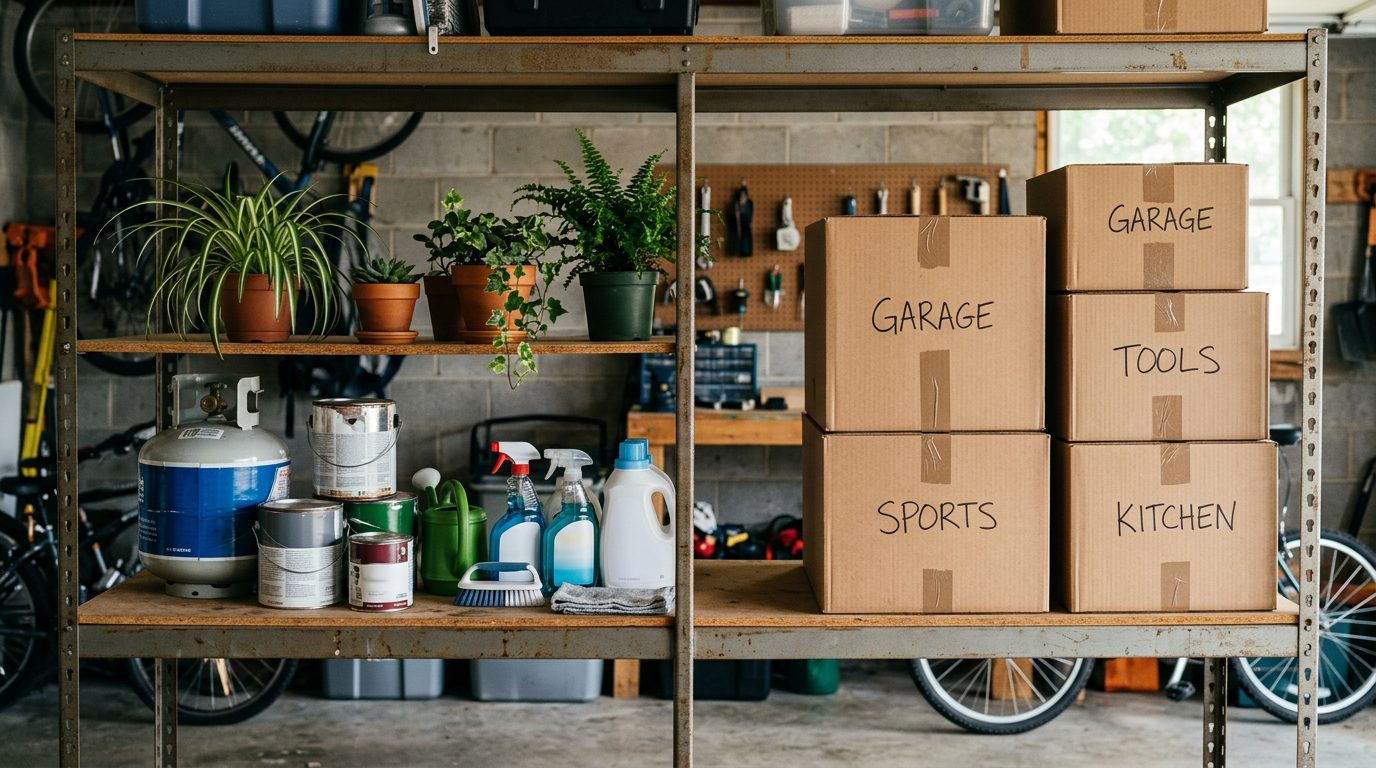
Anything flammable, corrosive, or pressurized falls into this category. Propane tanks, gasoline, paint thinner, aerosol cans, and cleaning chemicals pose a real risk when you put them in a box and load them onto a truck alongside everything else you own.
Heat, pressure changes, and jostling during transit can turn a small container of chemicals into a genuine safety issue.
Use these up or dispose of them properly before moving day, instead of trying to bring them along. Many municipalities in the Pittsburgh area run household hazardous waste drop-off programs built specifically for these items. If you are unsure whether something in your garage or under the kitchen sink counts, treat it as hazardous.
A half-empty can of paint thinner or an old propane tank from a grill feels harmless sitting in a garage, but neither one belongs anywhere near a moving truck. When in doubt, leave it out of the boxes entirely and deal with it separately. Our packing services cover everything that does belong in a box, with boxes, tape, and protective wrap included.
Perishable and Plant Items That Do Not Travel Well
Food that requires refrigeration, and anything else that spoils quickly, should not be packed for a move of any real distance.
Even for a short local move, it rarely makes sense, since a box of perishable groceries sitting in a hot truck for even a few hours can spoil, and once that happens, it tends to affect whatever else is packed nearby. Use up what is in your fridge and freezer in the days leading up to the move.
Houseplants are a different problem entirely. They are sensitive to temperature swings, they tip over and spill soil, and most movers cannot guarantee their condition after a long ride in a truck. Plan to transport them yourself, where you can control the temperature and keep them upright.
Valuables and Key Documents to Keep With You
Passports, birth certificates, financial paperwork, jewelry, anything irreplaceable. None of it should be boxed up with the rest of your belongings. These items are small enough to travel with you personally, and keeping them in your own bag or car removes the risk of them being anywhere but within arm's reach.
This category also covers anything with real sentimental weight that would be devastating to lose: a family heirloom, a box of old photographs that only exist in physical form. If an item feels irreplaceable, carry it yourself.
It only takes one bag or one small tote to keep this category together, and having it in the car with you means you are never wondering which box it ended up in.
Items Movers Typically Will Not Transport
Certain categories of items fall outside what most moving companies, ours included, are able to transport, and it is worth knowing this ahead of time rather than finding out on move day. Firearms and ammunition, live animals, and certain chemicals fall into this group for legal and safety reasons that apply across the industry, not just to one company.
If you have questions about whether something you own falls into a gray area, ask directly before move day. A quick conversation ahead of time beats trying to solve the problem with a truck already parked outside.
Special Items That Need Extra Care Instead of a Box
Pianos, safes, and oversized furniture are not items you should skip packing, but they need a different kind of handling than a standard box, and treating them the same as everything else is a mistake. These pieces often require specific equipment and extra hands to move safely, and handling them without the right setup can lead to damage or injury.
Special items like these may come with additional costs due to the handling involved, which is worth mentioning when you get your quote rather than as a surprise later. Letting your crew know about a piano, a safe, or an oversized piece ahead of time means they show up prepared.
A safe in particular can weigh far more than it looks like it should, and moving one without the right equipment risks both the item and whoever is trying to carry it.
What To Do With Items You Cannot Pack or Move
Once you have sorted out what cannot travel in a box, the next step is deciding what to do with each category. Hazardous materials go to a proper disposal site. Perishables get used up or given away. Valuables and documents get set aside in a bag you keep with you, nowhere near the moving boxes.
For everything else, including oversized or special items, a quick conversation with your movers ahead of time solves most of the guesswork. Being upfront about what you own is what keeps move day from turning into a series of surprises nobody planned for.
Frequently Asked Questions
What should I never pack in a moving box?
Hazardous materials like propane, gasoline, paint thinner, and aerosol cans should never go in a moving box. Perishable food, houseplants, valuables, and key documents also need separate handling rather than a spot in a standard box.
Will movers transport my houseplants?
Most moving companies, including ours, recommend transporting houseplants yourself. They are sensitive to temperature changes and can tip over during transit, so keeping them with you in your own vehicle protects them best.
Do I need to tell my movers about a piano or safe before move day?
Yes. Special items like pianos, safes, and oversized furniture need extra equipment and hands to move safely, and letting your crew know ahead of time means they arrive prepared and your quote reflects the actual job.
What should I do with hazardous materials before moving?
Use them up or drop them off at a household hazardous waste collection program before move day. Many Pittsburgh-area municipalities run these programs so residents are not stuck transporting chemicals themselves.
WeMove Pittsburgh handles the packing questions most people do not think of until move day. Contact us or call (412) 838-4495 to talk through what needs a box, what does not, and what our crew handles differently for homes across Pittsburgh's neighborhoods.